






- “I did not mean to leave you altogether. It was only because I wanted to
please don’t die, Beast, and leave me without any fewmets!”
- ...
- “Poor creature,” said King Pelinore indignantly. “It has pined away,
it...”
- ...
- “Running about like a lot of nincompoops and smacking each other with
care for it in the wide world. It’s what comes of not leading a regular life. ...
We got up at the same time, and quested for regular hours, and went to bed at
half past ten. ... It has gone to pieces altogether, and it will be your fault if it
dies. You and your bed.”





Fish:
His first transformation plunges him into the castle moat where he meets the fish king, Mr. P
who teaches Wart that Might is Right. Absolute power is the only thing that matters; kings must
rule and dominate their subjects.
Hawks, Ants and the REAL Joust:
Wart has an idealized view of fighting, warfare and the knighthood. He longs to be a knight
instead of just a lowly squire. It is his great dream to earn honor and prestige by fighting in
wars and participating in tournaments.
Knowing what the future holds for Wart, Merlyn tries everything to dissuade him from these
glorified images. Also, it is the author’s own critique of the military and warfare as White lived
during the surge toward WWII.
To teach the lessons and allow for White’s commentary, Merlyn turns Wart into a hawk, an ant
and allows him to watch a real joust between King Pellinore and Sir Grummore.
As a hawk, Wart experiences a night in the mews under the strict laws and rituals of this
military society. He bravely faces a test by standing by the wild Cully. In doing so, he shares a
moment with the crazed bird and realizes that Cully should be pitied, not feared, for the bird
has no control over himself anymore.
By this encounter, we see Wart is quick-witted and compassionate, even under pressure.
With the ants, Wart learns more about the reality of war. The ants live in a completely
totalitarian society, they have no privacy – even their thoughts and bodies are invaded by the
collective.
If the hawk news were strict and ritualistic, the ants are the finest example in the book of the
facelessness and disconnectedness of modern warfare. Each ant is just one of many without
personality or thoughts for themselves.
This is the key of White’s critique of warfare and the military. Soldiers are faceless in a crowd
and sent to their deaths with seemingly little thought or care. Even Wart is startled by the harsh
reality.
Though a REAL joust had seemed so magical to him before, Warts sees that the knights can
barely move under the weight of their armor.
They move awkwardly, unable to see through the helmet visors, knocking each other down, if
only by accident and then helping each other back up. They spend more time arguing over the
many rules than actually jousting until finally managing to charge successfully at each other,
they are both totally knocked out.
Watching the futility of the joust, Wart worries over the well-being of the two close friends, King
Pellinore and Sir Grummore. Though Merlyn finds it all very amusing, Wart’s eyes are still
filled with awe even through his concern.
Geese & Badgers:
With the geese, Wart experiences a life of freedom without borders or war. These birds move
away or form groups without aggression, interference from outside forces or knowledge of
fighting.
Wart asks about it and inadvertently offends his new friend, Lyo-lyok. The goose at first doesn’t
understand his meaning, but then is shocked that Wart would speak of such awful things.
Wart’s time is peaceful and he enjoys this time above almost all the others. He spends with the
geese what feels like months and is startled to wake up in his room the next morning.
His time with the badger is his last transformation. The badger reads to Wart from his thesis
and confronts Wart with the idea that humans are the greatest of all the earth’s creations because
they alone have the ingenuity to perform all the abilities of all the other creatures of the earth.
The humans’ one flaw is war.
Wart disagrees that war is a failing. He still stubbornly holds to his view of the glory and
glamour of fighting. Though too young to really understand the message, the badger asks Wart
a simple question as a counterargument: “Which did you like best,” he asked, “the ants or the wild
geese?”
Even with all the lessons and all his experiences in the different forms of society, Wart ends his
transformations with the same idolization of the knighthood, though now he has the potential to
draw on his lessons in the future.
His first transformation plunges him into the castle moat where he meets the fish king, Mr. P
who teaches Wart that Might is Right. Absolute power is the only thing that matters; kings must
rule and dominate their subjects.
Hawks, Ants and the REAL Joust:
Wart has an idealized view of fighting, warfare and the knighthood. He longs to be a knight
instead of just a lowly squire. It is his great dream to earn honor and prestige by fighting in
wars and participating in tournaments.
Knowing what the future holds for Wart, Merlyn tries everything to dissuade him from these
glorified images. Also, it is the author’s own critique of the military and warfare as White lived
during the surge toward WWII.
To teach the lessons and allow for White’s commentary, Merlyn turns Wart into a hawk, an ant
and allows him to watch a real joust between King Pellinore and Sir Grummore.
As a hawk, Wart experiences a night in the mews under the strict laws and rituals of this
military society. He bravely faces a test by standing by the wild Cully. In doing so, he shares a
moment with the crazed bird and realizes that Cully should be pitied, not feared, for the bird
has no control over himself anymore.
By this encounter, we see Wart is quick-witted and compassionate, even under pressure.
With the ants, Wart learns more about the reality of war. The ants live in a completely
totalitarian society, they have no privacy – even their thoughts and bodies are invaded by the
collective.
If the hawk news were strict and ritualistic, the ants are the finest example in the book of the
facelessness and disconnectedness of modern warfare. Each ant is just one of many without
personality or thoughts for themselves.
This is the key of White’s critique of warfare and the military. Soldiers are faceless in a crowd
and sent to their deaths with seemingly little thought or care. Even Wart is startled by the harsh
reality.
Though a REAL joust had seemed so magical to him before, Warts sees that the knights can
barely move under the weight of their armor.
They move awkwardly, unable to see through the helmet visors, knocking each other down, if
only by accident and then helping each other back up. They spend more time arguing over the
many rules than actually jousting until finally managing to charge successfully at each other,
they are both totally knocked out.
Watching the futility of the joust, Wart worries over the well-being of the two close friends, King
Pellinore and Sir Grummore. Though Merlyn finds it all very amusing, Wart’s eyes are still
filled with awe even through his concern.
Geese & Badgers:
With the geese, Wart experiences a life of freedom without borders or war. These birds move
away or form groups without aggression, interference from outside forces or knowledge of
fighting.
Wart asks about it and inadvertently offends his new friend, Lyo-lyok. The goose at first doesn’t
understand his meaning, but then is shocked that Wart would speak of such awful things.
Wart’s time is peaceful and he enjoys this time above almost all the others. He spends with the
geese what feels like months and is startled to wake up in his room the next morning.
His time with the badger is his last transformation. The badger reads to Wart from his thesis
and confronts Wart with the idea that humans are the greatest of all the earth’s creations because
they alone have the ingenuity to perform all the abilities of all the other creatures of the earth.
The humans’ one flaw is war.
Wart disagrees that war is a failing. He still stubbornly holds to his view of the glory and
glamour of fighting. Though too young to really understand the message, the badger asks Wart
a simple question as a counterargument: “Which did you like best,” he asked, “the ants or the wild
geese?”
Even with all the lessons and all his experiences in the different forms of society, Wart ends his
transformations with the same idolization of the knighthood, though now he has the potential to
draw on his lessons in the future.

|
- “If I were to be made a knight,” said the Wart, staring dreamily into the
and I should pray to God to let me encounter all the evil in the world in my
own person, so that if I conquered there would be none left, and, if I were
defeated, I would be the one to suffer for it.”
| The Once and Future King Book One, Chapter 20 |
- Kay had a longer reach and a heavier fist. He straightened his arm, more in
end of it. ... The Wart began to sob and pant. He managed to get in a blow upon
his opponent’s nose, and this began to bleed. Kay … turned his back on the Wart,
and said in a cold, snuffing, reproachful voice, “Now it’s bleeding.” The battle
was over.
- ...
- Presently Kay turned over on his face and began to sob. He said, “Merlyn
At this the Wart felt he had been a beast. He dressed himself in silence and
| The Once and Future King Book One, Chapter 9 |
| To Be Continued... |

| The Once & Future King 2 Merlyn's Lessons |
| Lessons from the Animal World |

| Lessons from the Family |
Here are the important things to remember established in Book One:
- - Wart’s a good-natured boy with a pure heart.
- There is some rivalry between Wart and Kay, but underneath it all they are trusted
- friends.
- - Merlyn is magical and knows the future.
- Wart, through his magical transformations and lessons from Merlyn, has been
- prepared to be an excellent young man and King.
- - Morgan le Fey is a witch and part of the clan that opposes the Pendragons.
- - Merlyn has tried many times to convince Wart that it is much safer to be a squire, that
- the knighthood isn’t as glamorous as it seems.
- - Wart still believes that battle, the knighthood and war is glorious and fun.
- - Wart is the newly crowned King of England.
- Love has made it possible for Wart to achieve his birthright.
- - Sir Kay will be one of his first knights and Merlyn has returned to guide Wart on this
- new journey.

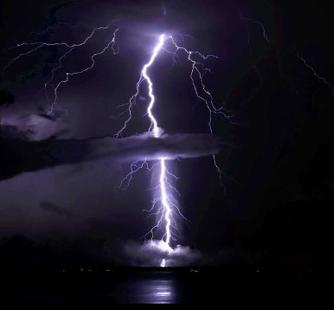
| "Lightning Over New York City" photography by Christopher Imperato. All book series, movies, and images are owned by their authors, creators, publishers & production companies. No copyright infringement intended of any and all source material. No profits were made from this site. |
| Copyright © 2007 | www.booksandwands.com | All Rights Reserved |
Harry Potter
Arithmancy
Divination
Character Arcs
Muggle Studies
Under the Influence
Other Projects
Arithmancy
Divination
Character Arcs
Muggle Studies
Under the Influence
Other Projects
Hunger Games
Book Notes
Movie Review
Book Notes
Movie Review
The Hobbit
Book Notes
Movie Review
Book Notes
Movie Review
Percy Jackson
Book Notes
Movie Review
Book Notes
Movie Review
Twilight
Book Notes
Movie Stills
Book Notes
Movie Stills
Narnia
Book Notes
Movie Review
Book Notes
Movie Review
Books and Wands








| For Nerds. By Nerds. |


From the very beginning of the story, we see that Wart is a good-hearted boy. The opening
incident has Kay and Wart tramping through the woods looking for the young falcon they had
released.
This bird is too young to have been properly trained, like them, and must be brought back to
the mews by hand. Kay gives up and goes home. However, Wart stays in the forest all night
long waiting for the bird. We are able to see Wart’s sense of right and duty.
When he meets the batty King Pellinore in the woods, who is tracking the Questing Beast, Wart
is friendly and generous, offering the King a much-longed-for warm bed.
When Wart finally meets Merlyn, then, we already have a fairly good sense of this 12-year-old
boy.
Wart stumbles upon Merlyn’s cottage hidden away in the forest. There he meets a talking owl,
Archimedes, and is delighted by Merlyn’s singing utensils that wash themselves (welcome to the
Burrow, Harry). After their breakfast together, Merlyn announces that he will accompany Wart
back and will be his new tutor.
This is a great scene that immediately introduces Merlyn as a captivating, influential and
magically potent character. It is reminiscent of Dumbledore standing in the middle of Privet
Drive putting out lights, or even Hagrid’s reintroduction giving Dudley a pig’s tail.
The impression of these characters on the reader is immediate, accurate and enchanting.
Merlyn teaches by using magic and turning Wart into animals so he can experience life in
different forms of society. Now, remember, Merlyn knows Arthur’s fate. There’s nothing that
can be done to change it, so why teach Arthur how to be a good king?
Because Arthur deserves the best chance he can get, and because the people of England deserve
a good king, a king to which all others shall be judged.
And obviously the idea of a leader who has a pure heart and noble intentions willing to put the
needs of his people before his own is an ideal that has pervaded history. It’s what we all search
for now, our King Arthur to lead us into a Golden Period.
incident has Kay and Wart tramping through the woods looking for the young falcon they had
released.
This bird is too young to have been properly trained, like them, and must be brought back to
the mews by hand. Kay gives up and goes home. However, Wart stays in the forest all night
long waiting for the bird. We are able to see Wart’s sense of right and duty.
When he meets the batty King Pellinore in the woods, who is tracking the Questing Beast, Wart
is friendly and generous, offering the King a much-longed-for warm bed.
When Wart finally meets Merlyn, then, we already have a fairly good sense of this 12-year-old
boy.
Wart stumbles upon Merlyn’s cottage hidden away in the forest. There he meets a talking owl,
Archimedes, and is delighted by Merlyn’s singing utensils that wash themselves (welcome to the
Burrow, Harry). After their breakfast together, Merlyn announces that he will accompany Wart
back and will be his new tutor.
This is a great scene that immediately introduces Merlyn as a captivating, influential and
magically potent character. It is reminiscent of Dumbledore standing in the middle of Privet
Drive putting out lights, or even Hagrid’s reintroduction giving Dudley a pig’s tail.
The impression of these characters on the reader is immediate, accurate and enchanting.
Merlyn teaches by using magic and turning Wart into animals so he can experience life in
different forms of society. Now, remember, Merlyn knows Arthur’s fate. There’s nothing that
can be done to change it, so why teach Arthur how to be a good king?
Because Arthur deserves the best chance he can get, and because the people of England deserve
a good king, a king to which all others shall be judged.
And obviously the idea of a leader who has a pure heart and noble intentions willing to put the
needs of his people before his own is an ideal that has pervaded history. It’s what we all search
for now, our King Arthur to lead us into a Golden Period.
However thick-headed Wart can be about the idea of war, his emotional range is still greater
than Ron Weasley’s teaspoon. When Wart and Kay fight, Wart realizes his ‘brother’ is feeling
left out and tries to make amends.
Though it’s not clear whether Kay (like Ron) would care to do the same in return for Wart (or
Harry), our hero is so pure-hearted it truly upsets him to know how hurt his friend is by the
private lessons.
than Ron Weasley’s teaspoon. When Wart and Kay fight, Wart realizes his ‘brother’ is feeling
left out and tries to make amends.
Though it’s not clear whether Kay (like Ron) would care to do the same in return for Wart (or
Harry), our hero is so pure-hearted it truly upsets him to know how hurt his friend is by the
private lessons.
Merlyn appeases Wart’s wish, though he gives an ominous warning “what is good for you might be
bad for him”, and sends both of them out for an adventure together.
The boys meet Robin Wood (the real life Robin Hood) in the forest. Robin, Marian, Little John
and the rest of the gang are all present and waiting for the boys. They must break in to castle
protected by the ‘old ones’ who have stolen one of Robin’s men and Wat from Sir Ector’s castle.
This is a rescue mission.
Only children can enter the castle so the boys must go alone. The ‘old ones’ are fairies
descended from the original inhabitants of England and led by none other than Morgan le Fey;
they are angry that their land has been usurped. This is mostly a metaphor for the Orkney clan
which will bring about the demise of Arthur as an adult.
Note: This Morgan is not the ultimate villain of the story. The real baddie, Morgause, is in
Book Two. Their roles have been mixed and blurred in retellings and over time. Many attribute
Morgause’s actions to Morgan; the two are sisters and therefore both the half-sisters of Arthur,
but Morgause is the one with the black soul and plot to destroy.
The boys wrangle the fairies with iron. The rescue is a success, only the griffin protector of the
castle chases after them in their escape. Kay shoots down the beast and claims its head as a
trophy.
Here again we see the differences between the boys and Wart’s good character. He is brave and
kind. Brave in the rescue efforts and when offered a trophy he does not seek a symbol of
destruction, like Kay, he wishes for the benefit of another.
Wart asks for Wat to be returned to his senses and have his nose replaced so he can live happily
amongst his own kind in Sir Ector’s castle. Wart genuinely cares for the well-being of others. He
yearns to protect others.
I’m going to include this quote as well because I think this theme is a very important one, one
that often gets overlooked.
King Pellinore is in a constant quest for the “Questing Beast” which is said to be another
example of White’s critique of the knighthood and rituals. I think with just a slightly deeper
look the reader can take away another, more important (to me) message.
Sometimes you just have to believe in it, against all odds and practicality, to make it real.
bad for him”, and sends both of them out for an adventure together.
The boys meet Robin Wood (the real life Robin Hood) in the forest. Robin, Marian, Little John
and the rest of the gang are all present and waiting for the boys. They must break in to castle
protected by the ‘old ones’ who have stolen one of Robin’s men and Wat from Sir Ector’s castle.
This is a rescue mission.
Only children can enter the castle so the boys must go alone. The ‘old ones’ are fairies
descended from the original inhabitants of England and led by none other than Morgan le Fey;
they are angry that their land has been usurped. This is mostly a metaphor for the Orkney clan
which will bring about the demise of Arthur as an adult.
Note: This Morgan is not the ultimate villain of the story. The real baddie, Morgause, is in
Book Two. Their roles have been mixed and blurred in retellings and over time. Many attribute
Morgause’s actions to Morgan; the two are sisters and therefore both the half-sisters of Arthur,
but Morgause is the one with the black soul and plot to destroy.
The boys wrangle the fairies with iron. The rescue is a success, only the griffin protector of the
castle chases after them in their escape. Kay shoots down the beast and claims its head as a
trophy.
Here again we see the differences between the boys and Wart’s good character. He is brave and
kind. Brave in the rescue efforts and when offered a trophy he does not seek a symbol of
destruction, like Kay, he wishes for the benefit of another.
Wart asks for Wat to be returned to his senses and have his nose replaced so he can live happily
amongst his own kind in Sir Ector’s castle. Wart genuinely cares for the well-being of others. He
yearns to protect others.
I’m going to include this quote as well because I think this theme is a very important one, one
that often gets overlooked.
King Pellinore is in a constant quest for the “Questing Beast” which is said to be another
example of White’s critique of the knighthood and rituals. I think with just a slightly deeper
look the reader can take away another, more important (to me) message.
Sometimes you just have to believe in it, against all odds and practicality, to make it real.
| The Once and Future King Book One, Chapter 16 |
Like the ‘Nothing’ in the Never-Ending Story: sometimes the very existence of something relies on
the strength of the believer’s faith. And I’m guessing if you’re still reading this you were one of
those kids who clapped and cheered for Tinkerbell calling out, “I do believe in Fairies!”
It’s an important message echoed in almost every great piece of fantasy writing. It has its
origins in religion. Faith, even when all is dark and hope is hard to find, faith is the hero’s gift,
the strength of one’s convictions, one’s core knowledge of right or wrong – right over easy,
makes the champion. It is what elevates humans into those shining beacons of hope, honor and
love, called heroes.
I believe in fairies and wizards and therefore my world will forever be filled with magic.
the strength of the believer’s faith. And I’m guessing if you’re still reading this you were one of
those kids who clapped and cheered for Tinkerbell calling out, “I do believe in Fairies!”
It’s an important message echoed in almost every great piece of fantasy writing. It has its
origins in religion. Faith, even when all is dark and hope is hard to find, faith is the hero’s gift,
the strength of one’s convictions, one’s core knowledge of right or wrong – right over easy,
makes the champion. It is what elevates humans into those shining beacons of hope, honor and
love, called heroes.
I believe in fairies and wizards and therefore my world will forever be filled with magic.
More evidence that Kay and Wart are “spiritual ancestors” of Ron and Harry:
Tell me the truth, if I didn’t tell you this next section was a description of Kay would you not
think that it could be Ron?
Tell me the truth, if I didn’t tell you this next section was a description of Kay would you not
think that it could be Ron?
- As years went by, Kay became more difficult. He always used a bow
temper and challenged nearly everybody to have a fight, and in those few
cases where he did actually have the fight he was invariable beaten. Also he
became sarcastic. He made the sergeant miserable by nagging about his
stomach, and went on at the Wart about his father and mother when Sir
Ector was not about. He did not seem to want to do this. It was as if he
disliked it, but could not help it.
| The Once and Future King Book One, Chapter 20 |
The only real difference there is that I never got the impression Ron didn’t enjoy making jokes at
other people’s expenses.
other people’s expenses.
- “Well, I am a Cinderella now,” he said to himself.
“Even if I have had the best of it for some mysterious reason, up to the
for seeing all those delightful dragons, witches, fishes, cameleopards, pismires,
wild geese and such like, by being a second-rate squire and holding Kay’s
extra spears for him, while he hoves by some well or other and jousts with all
comers. Never mind, I have had a good time while it lasted, and it is not such
bad fun being a Cinderella, when you can do it in a kitchen which has a
fireplace big enough to roast an ox.”
| The Once and Future King Book One, Chapter 20 |
The beauty of Harry’s inner monologue after not receiving the Prefect’s Badge in Book Five is
unbeatable to me, but the honesty is just a poignant here. Even the reasoning the orphans use is
similar. Catching the self-pity and reminding themselves that it’s not as bad as it seems. Both
authors get an ‘A’ from me on this.
So now you’ve learned the Wart’s lessons with him, now you’ve graduated to Book Two and so
starts the introduction of the dark elements at work in this story.
Wart has been able to pull the sword from the stone only with the help and love of all his
friends. Yes, folks, it is their love that makes him strong enough. Hmmm, persistent theme, that.
In fact, Wart couldn’t move the sword until all his friends appear around him like apparitions
emerging from the cloth banners, wooden shields, dust and fog around him. They each
encourage him and remind him of the lessons they taught him. Putting together all the lessons,
Wart is finally able to move forward.
Rowling didn’t steal the scene directly, but she did borrow or pay homage to White’s idea.
When, you ask...I’m thinking of Book 7 here, when Harry gets walked to his fate by those who
love him, fought and gave their lives for him.
And so Book One ends with Wart’s coronation and Merlyn returning to tell him the truth of his
birth.
unbeatable to me, but the honesty is just a poignant here. Even the reasoning the orphans use is
similar. Catching the self-pity and reminding themselves that it’s not as bad as it seems. Both
authors get an ‘A’ from me on this.
So now you’ve learned the Wart’s lessons with him, now you’ve graduated to Book Two and so
starts the introduction of the dark elements at work in this story.
Wart has been able to pull the sword from the stone only with the help and love of all his
friends. Yes, folks, it is their love that makes him strong enough. Hmmm, persistent theme, that.
In fact, Wart couldn’t move the sword until all his friends appear around him like apparitions
emerging from the cloth banners, wooden shields, dust and fog around him. They each
encourage him and remind him of the lessons they taught him. Putting together all the lessons,
Wart is finally able to move forward.
Rowling didn’t steal the scene directly, but she did borrow or pay homage to White’s idea.
When, you ask...I’m thinking of Book 7 here, when Harry gets walked to his fate by those who
love him, fought and gave their lives for him.
And so Book One ends with Wart’s coronation and Merlyn returning to tell him the truth of his
birth.
- “... I was not allowed to tell you before, or since, but your father was, or
who first carried you to Sir Ector’s castle, in your golden swaddling bands. I
know all about your birth and parentage, and who gave you your real name.
I know the sorrows before you, and the joys, and how there will never again
be anybody who dares to call you by the friendly name of Wart. In future it
will be your glorious doom to take up the burden and to enjoy the nobility of
your proper title: so now I shall crave the privilege of being the very first of
your subjects to address you with it – as my dear liege lord, King Arthur.”
- “Will you stay with me for a long time?” asked the Wart, not
- “Yes, Wart,” said Merlyn. “Or rather...Yes, King Arthur."
| The Once and Future King Book One, Chapter 20 |
 |
 |
 |
 |
 |
 |
 |
 |
 |