
The Vampire Slayer
by Amy Dawes
Every so often, in observing pop culture, the sense of something major coming down the pike
stirs the breeze and raises the hairs on your arms. When a genuine pop culture phenomenon is
in the wind, you might look around and see people everywhere reading the same book or come
across odd stories in the news of hordes of people traveling to some out-of-the-way hamlet
where a fictional story takes place, just to be closer to the world an author created.
Such is the case with the upcoming movie Twilight, which by all indications could become the
biggest young-female-driven pop-cultural event since Leo and Kate broke box-office records
with Titanic.
In suburban bedrooms everywhere, calendars are being crossed off to mark the days until the
movie November 21 unveiling. As most everyone knows by now, it’s based on author
Stephenie Meyer’s series of bestselling books, two of which are currently occupying slots in the
top 10 of the New York Times bestseller list.
Maybe it’s the imbalance of male teen fantasies at movie theaters that has stoked this level of
anticipation; for Twilight is inarguably a female version.
It’s about Bella, an ordinary, ungainly new girl in town who captures the attention of Edward
Cullen, the most enigmatic, tormented and gorgeous guy at school, only to uncover his deep
secret – that he just happens to be a vampire.
Add that Edward is immortal and has enormous powers of strength and speed, and that he’s
mad for Bella but terrified he’ll hurt her, and you set off a Romeo-and-Juliet-level melodrama
propelled by risky declarations, noble self-sacrifice and dangerous, heroically restrained lust.
This stuff is like crack to teenage girls: just go online and take a look at the level of anticipation
the movie is generating.
With such a high degree of visibility at stake, you might assume that getting the screenplay
assignment involved a Machiavellian struggle, but that wasn’t the case.
Writer Melissa Rosenberg says she was going about her business as a writer-producer on the
Showtime series Dexter when she got a call from Eric Feig, President of Production at Summit
Entertainment.
“He asked me what I thought of teens and vampires, and I said, ‘I love teens and vampires.’ I
really do,” Rosenberg says. “Buffy the Vampire Slayer is one of the best shows ever on television,
in my opinion.”
Rosenberg had worked for Summit before – she co-wrote the 2006 teen dance movie Step Up.
After she had to pass on a chance to write its sequel, she was concerned she might not hear from
Summit again. She was wrong, but the new opportunity came with a hitch – the pending
writers’ strike meant there was no time to lose.
couple of weeks. “For me, the real work is in the outline – that’s the true blank page,” says
Rosenberg, whose talent for a quick turnaround comes from years as a writer and producer on
shows like Dexter, The O.C. and Party of Five.
“When you work collaboratively with people like you do in TV, you want to make sure that
everybody knows what you’re going to do and signs off on it.”
They did – and told her she had five weeks to deliver a script.
“I said, ‘Five weeks? It can’t be done!’” Rosenberg recalls.
But the looming labor action left no choice, so after enlisting an understanding colleague to take
over on her Dexter episode, she plunged into the job.
That meant full immersion in the world of the story – the rain-soaked Northwest town of Forks,
Washington, where Bella has come to live with her divorced dad, and the enigma of her moody,
pale-skinned classmate Edward, who seems to loathe her even as they’re magnetically drawn
together.
Meanwhile, director Catherine Hardwicke (Thirteen, Lords of Dogtown) was casting the movie and
giving her immediate feedback on each act as she finished it.
“She’d respond within an hour or so,” Rosenberg says. “We were running on adrenaline, and
she wanted to get the movie made every bit as much as I did.” In the end, Rosenberg says, she
turned in a first draft that was green-lit with time to spare and completed a rewrite two hours
before the strike bell tolled.
point of view, and detailed,” Rosenberg says. “The biggest challenge was externalizing it.”
a game of baseball with Edward’s vampire family, and a pack of unfriendly, human-hunting
vampires shows up to threaten her.
“They just pop up,” Rosenberg says. “In the movie, I wanted more suspense, more imminent
doom. I decided to weave them all through it. What were they doing before they showed up on
the baseball field? What were they up to?” She invented a series of mysterious, grisly attacks
and their discovery by local law enforcement.
Together with Hardwicke, who creates a kind of rock’n’roll outsider style for the evil vampires,
she also amped up the action for high-flying scenes like the one where Edward races through
the treetops with Bella clinging to him, or the climactic fight scene between the evil and good
vampires after they chase Bella back to her Arizona hometown.
“There aren’t a lot of women writing action films, not because we don’t want to, but because
they don’t really let us in,” she says. “But I’ve written on a number of shows that are action-
oriented and on dark shows like Dexter.”
Bella first confronts Edward with her certainty that he must be a vampire. “That was my
midpoint,” she says. “In the book, it happens when they’re driving in a car, but I really wanted
it to be that she confronts him and drives the action as a strong protagonist. She has to say,
‘Here’s what I know.’”
The rest of the article continues with a biography of Ms. Rosenberg. One last comment from the article for
all the lady authors out there:
Rosenberg says mentoring and encouraging newer women writers is important to her. “It’s still
a man’s game, but I see the generation coming up behind me, and I think they have a shot,” she
says.
by Amy Dawes
Every so often, in observing pop culture, the sense of something major coming down the pike
stirs the breeze and raises the hairs on your arms. When a genuine pop culture phenomenon is
in the wind, you might look around and see people everywhere reading the same book or come
across odd stories in the news of hordes of people traveling to some out-of-the-way hamlet
where a fictional story takes place, just to be closer to the world an author created.
Such is the case with the upcoming movie Twilight, which by all indications could become the
biggest young-female-driven pop-cultural event since Leo and Kate broke box-office records
with Titanic.
In suburban bedrooms everywhere, calendars are being crossed off to mark the days until the
movie November 21 unveiling. As most everyone knows by now, it’s based on author
Stephenie Meyer’s series of bestselling books, two of which are currently occupying slots in the
top 10 of the New York Times bestseller list.
Maybe it’s the imbalance of male teen fantasies at movie theaters that has stoked this level of
anticipation; for Twilight is inarguably a female version.
It’s about Bella, an ordinary, ungainly new girl in town who captures the attention of Edward
Cullen, the most enigmatic, tormented and gorgeous guy at school, only to uncover his deep
secret – that he just happens to be a vampire.
Add that Edward is immortal and has enormous powers of strength and speed, and that he’s
mad for Bella but terrified he’ll hurt her, and you set off a Romeo-and-Juliet-level melodrama
propelled by risky declarations, noble self-sacrifice and dangerous, heroically restrained lust.
This stuff is like crack to teenage girls: just go online and take a look at the level of anticipation
the movie is generating.
With such a high degree of visibility at stake, you might assume that getting the screenplay
assignment involved a Machiavellian struggle, but that wasn’t the case.
Writer Melissa Rosenberg says she was going about her business as a writer-producer on the
Showtime series Dexter when she got a call from Eric Feig, President of Production at Summit
Entertainment.
“He asked me what I thought of teens and vampires, and I said, ‘I love teens and vampires.’ I
really do,” Rosenberg says. “Buffy the Vampire Slayer is one of the best shows ever on television,
in my opinion.”
Rosenberg had worked for Summit before – she co-wrote the 2006 teen dance movie Step Up.
After she had to pass on a chance to write its sequel, she was concerned she might not hear from
Summit again. She was wrong, but the new opportunity came with a hitch – the pending
writers’ strike meant there was no time to lose.
couple of weeks. “For me, the real work is in the outline – that’s the true blank page,” says
Rosenberg, whose talent for a quick turnaround comes from years as a writer and producer on
shows like Dexter, The O.C. and Party of Five.
“When you work collaboratively with people like you do in TV, you want to make sure that
everybody knows what you’re going to do and signs off on it.”
They did – and told her she had five weeks to deliver a script.
“I said, ‘Five weeks? It can’t be done!’” Rosenberg recalls.
But the looming labor action left no choice, so after enlisting an understanding colleague to take
over on her Dexter episode, she plunged into the job.
That meant full immersion in the world of the story – the rain-soaked Northwest town of Forks,
Washington, where Bella has come to live with her divorced dad, and the enigma of her moody,
pale-skinned classmate Edward, who seems to loathe her even as they’re magnetically drawn
together.
Meanwhile, director Catherine Hardwicke (Thirteen, Lords of Dogtown) was casting the movie and
giving her immediate feedback on each act as she finished it.
“She’d respond within an hour or so,” Rosenberg says. “We were running on adrenaline, and
she wanted to get the movie made every bit as much as I did.” In the end, Rosenberg says, she
turned in a first draft that was green-lit with time to spare and completed a rewrite two hours
before the strike bell tolled.
point of view, and detailed,” Rosenberg says. “The biggest challenge was externalizing it.”
a game of baseball with Edward’s vampire family, and a pack of unfriendly, human-hunting
vampires shows up to threaten her.
“They just pop up,” Rosenberg says. “In the movie, I wanted more suspense, more imminent
doom. I decided to weave them all through it. What were they doing before they showed up on
the baseball field? What were they up to?” She invented a series of mysterious, grisly attacks
and their discovery by local law enforcement.
Together with Hardwicke, who creates a kind of rock’n’roll outsider style for the evil vampires,
she also amped up the action for high-flying scenes like the one where Edward races through
the treetops with Bella clinging to him, or the climactic fight scene between the evil and good
vampires after they chase Bella back to her Arizona hometown.
“There aren’t a lot of women writing action films, not because we don’t want to, but because
they don’t really let us in,” she says. “But I’ve written on a number of shows that are action-
oriented and on dark shows like Dexter.”
Bella first confronts Edward with her certainty that he must be a vampire. “That was my
midpoint,” she says. “In the book, it happens when they’re driving in a car, but I really wanted
it to be that she confronts him and drives the action as a strong protagonist. She has to say,
‘Here’s what I know.’”
The rest of the article continues with a biography of Ms. Rosenberg. One last comment from the article for
all the lady authors out there:
Rosenberg says mentoring and encouraging newer women writers is important to her. “It’s still
a man’s game, but I see the generation coming up behind me, and I think they have a shot,” she
says.
| Twilight: Creative Screenwriting Article |
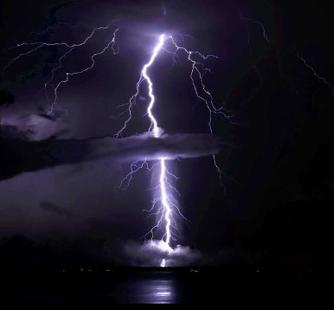
| "Lightning Over New York City" photography by Christopher Imperato. All book series, movies, and images are owned by their authors, creators, publishers & production companies. No copyright infringement intended of any and all source material. No profits were made from this site. |
| Copyright © 2007 | www.booksandwands.com | All Rights Reserved |
Harry Potter
Arithmancy
Divination
Character Arcs
Muggle Studies
Under the Influence
Other Projects
Arithmancy
Divination
Character Arcs
Muggle Studies
Under the Influence
Other Projects
Hunger Games
Book Notes
Movie Review
Book Notes
Movie Review
The Hobbit
Book Notes
Movie Review
Book Notes
Movie Review
Percy Jackson
Book Notes
Movie Review
Book Notes
Movie Review
Twilight
Book Notes
Movie Stills
Book Notes
Movie Stills
Narnia
Book Notes
Movie Review
Book Notes
Movie Review







| For Nerds. By Nerds. |


 |
 |
 |
 |
 |
 |
 |
 |
 |