







| Symbols |

| Dumbledore's Greatest Sin |
| Possession and Horcruxes |
| Horcruxes and their Symbolism |
| Book 6: Reflections |


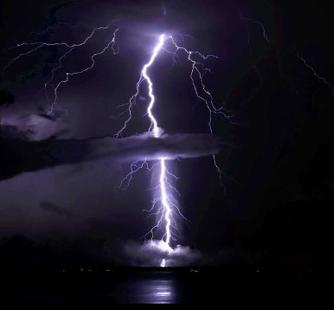
| "Lightning Over New York City" photography by Christopher Imperato. All book series, movies, and images are owned by their authors, creators, publishers & production companies. No copyright infringement intended of any and all source material. No profits were made from this site. |
| Copyright © 2007 | www.booksandwands.com | All Rights Reserved |
Harry Potter
Arithmancy
Divination
Character Arcs
Muggle Studies
Under the Influence
Other Projects
Arithmancy
Divination
Character Arcs
Muggle Studies
Under the Influence
Other Projects
Hunger Games
Book Notes
Movie Review
Book Notes
Movie Review
The Hobbit
Book Notes
Movie Review
Book Notes
Movie Review
Percy Jackson
Book Notes
Movie Review
Book Notes
Movie Review
Twilight
Book Notes
Movie Stills
Book Notes
Movie Stills
Narnia
Book Notes
Movie Review
Book Notes
Movie Review






| For Nerds. By Nerds. |

| "Seldom, very seldom does complete truth belong to any human disclosure; seldom can it happen that something is not a little disguised, or a little mistaken." |
| Emma, Jane Austen |
Hermione is the symbol of intelligence, of friendship, of loyalty, of love, and she is the symbol
of the future. This is key here.
When Harry makes any sort of decision, or is trying to, when he takes action, rather rashly most
of the time,
there’s only one person he turns to, one person he wants and needs at his side. It ain’t Ginny,
and it sure as heck isn’t Ron.
Hermione is the path to success, to enlightenment, to understanding. She needs to be present in
order for any of them to progress further. A very prominent, influential role. It may even put
her in a spot of danger. But here’s the catch...the symbol of the future is just about the one
character in the story that can’t die.
The symbol of the future dies, the future is dead, there’s nothing to move forward to =
everybody go kill yourself.
The Symbol of the Future can be endangered, hurt, thought to be dead, but cannot die.
The Symbol of the Past dies, in paving the way for the present and future. It’s a cyclical
structure. The relic, the wizened warrior, the reality instructor (Dumbledore, in this case) dies.
The past dies to give way to the future...example, the newborn baby survives...here, we have
Harry, he would have been the symbol of the future for Lily and James’ story.
Think back even to the Bible...Moses survives miraculously when the Pharaoh had ordered all
newborn Hebrew boys to be killed. He lives to lead his people to the future. Just one example,
there are bazillions throughout literature.
The story arc, the Hero’s journey, is that the Hero moves from the past, through the present
struggle and into the future.
Luke hates his existence as a moisture farmer, he longs for adventure and has one fall on his
lap. Obi-Wan takes Luke to help rescue Leia and trains him in the Force. Obi-Wan dies leaving
Luke to prove he’s learned from the master and can become a Jedi.
Luke defeats the enemy, at least for the present (because evil never really does die), and moves
on into the future with Leia, Han, Chewy and the droids. Happily ever after.
The Hero only dies if he has been compromised in some way – if he has partaken in the evil or
engendered it – then he must pay for his crimes (i.e., King Arthur, and Dr. Frankenstein).
Arthur had an affair with his sister and begat the evil Mordred who threatened to tear the
country apart. It was his fault. He had to pay for his crimes.
Dr. Frankenstein birthed the monster and then abandoned him to the mercies of this world. He
was responsible; he had to pay for his sins.
Even Frodo, indulged in the powers of the Ring and because he had tainted himself, he had to
leave the Shire.
For fun, let’s take a look at what the others might be symbols of:
Harry: the hero, he is the symbol of light, hope and purity, goodness in the world. He is the
Symbol of Justice.
The Weasley’s: the entire clan, but specifically Ron and Ginny, is used to represent family.
They provide for Harry what he has never had and has always wished for...security, warmth,
acceptance and support.
of the future. This is key here.
When Harry makes any sort of decision, or is trying to, when he takes action, rather rashly most
of the time,
there’s only one person he turns to, one person he wants and needs at his side. It ain’t Ginny,
and it sure as heck isn’t Ron.
Hermione is the path to success, to enlightenment, to understanding. She needs to be present in
order for any of them to progress further. A very prominent, influential role. It may even put
her in a spot of danger. But here’s the catch...the symbol of the future is just about the one
character in the story that can’t die.
The symbol of the future dies, the future is dead, there’s nothing to move forward to =
everybody go kill yourself.
The Symbol of the Future can be endangered, hurt, thought to be dead, but cannot die.
The Symbol of the Past dies, in paving the way for the present and future. It’s a cyclical
structure. The relic, the wizened warrior, the reality instructor (Dumbledore, in this case) dies.
The past dies to give way to the future...example, the newborn baby survives...here, we have
Harry, he would have been the symbol of the future for Lily and James’ story.
Think back even to the Bible...Moses survives miraculously when the Pharaoh had ordered all
newborn Hebrew boys to be killed. He lives to lead his people to the future. Just one example,
there are bazillions throughout literature.
The story arc, the Hero’s journey, is that the Hero moves from the past, through the present
struggle and into the future.
Luke hates his existence as a moisture farmer, he longs for adventure and has one fall on his
lap. Obi-Wan takes Luke to help rescue Leia and trains him in the Force. Obi-Wan dies leaving
Luke to prove he’s learned from the master and can become a Jedi.
Luke defeats the enemy, at least for the present (because evil never really does die), and moves
on into the future with Leia, Han, Chewy and the droids. Happily ever after.
The Hero only dies if he has been compromised in some way – if he has partaken in the evil or
engendered it – then he must pay for his crimes (i.e., King Arthur, and Dr. Frankenstein).
Arthur had an affair with his sister and begat the evil Mordred who threatened to tear the
country apart. It was his fault. He had to pay for his crimes.
Dr. Frankenstein birthed the monster and then abandoned him to the mercies of this world. He
was responsible; he had to pay for his sins.
Even Frodo, indulged in the powers of the Ring and because he had tainted himself, he had to
leave the Shire.
For fun, let’s take a look at what the others might be symbols of:
Harry: the hero, he is the symbol of light, hope and purity, goodness in the world. He is the
Symbol of Justice.
The Weasley’s: the entire clan, but specifically Ron and Ginny, is used to represent family.
They provide for Harry what he has never had and has always wished for...security, warmth,
acceptance and support.

- “He says very funny things sometimes, doesn’t he?” said Luna, as they set
year.
- “I s’pose,” said Harry. Luna was demonstrating her usual knack of
| Half-Blood Prince Chapter 15 |

Luna: the Symbol of Faith. She believes in things that have little or no proof. And though she
seems scatter-brained, she is alarmingly accurate with her assessments of situations and people.
Neville: the runner-up as it were, he is the symbol of heart, perseverance, determination and
overcoming obstacles.
As much as this is Harry’s fight, Neville is very closely entwined in it, spurred on by it and
driven to be better than he thought possible. He achieves things no one could have guessed for
him, mastering a charm before anyone else in the DA, save for Hermione.
And both Prophesy Boys are signs of choosing what is right over what is easy.
The choice is to fight or take flight...they both choose to fight. It might even mean a little more
from Neville because he is the unlikeliest candidate to stand against Voldemort and yet he is
there, fighting.
seems scatter-brained, she is alarmingly accurate with her assessments of situations and people.
Neville: the runner-up as it were, he is the symbol of heart, perseverance, determination and
overcoming obstacles.
As much as this is Harry’s fight, Neville is very closely entwined in it, spurred on by it and
driven to be better than he thought possible. He achieves things no one could have guessed for
him, mastering a charm before anyone else in the DA, save for Hermione.
And both Prophesy Boys are signs of choosing what is right over what is easy.
The choice is to fight or take flight...they both choose to fight. It might even mean a little more
from Neville because he is the unlikeliest candidate to stand against Voldemort and yet he is
there, fighting.
Voldemort has proven himself to have a symbolic sense about him with a strong understanding
of history and historical importance (a trait he shares with many megalomaniac psychotic
leaders, incidentally, namely Hitler).
So when looking for an object in which he could store his very soul, it is safe to presume he’d
look for objects of significance: Personal possessions of the Founders of Hogwarts.
Here's a rundown of suspected Horcruxes and their status at the end of Book 6.
of history and historical importance (a trait he shares with many megalomaniac psychotic
leaders, incidentally, namely Hitler).
So when looking for an object in which he could store his very soul, it is safe to presume he’d
look for objects of significance: Personal possessions of the Founders of Hogwarts.
Here's a rundown of suspected Horcruxes and their status at the end of Book 6.


Marvolo Gaunt's Ring:
A family heirloom as it turns out.
It is a symbol of wealth, status and greed, materialism and lineage
(which is very fitting considered he’d never had a family and the
importance the Pure Bloods place on it).
It is a symbol of wealth, status and greed, materialism and lineage
(which is very fitting considered he’d never had a family and the
importance the Pure Bloods place on it).
| Destroyed |
Again it stresses the connection to his family, a long line of great
wizards. Slytherin himself has a achieved immortality by living
within the history records and in people’s memories.
Riddle is the bastard son of Muggle, which is something that
disgusts him. He’d want to stress his connection to a Wizarding
line and one of the oldest and greatest around....It gives him
power and a legitimacy that he’s never had before.
wizards. Slytherin himself has a achieved immortality by living
within the history records and in people’s memories.
Riddle is the bastard son of Muggle, which is something that
disgusts him. He’d want to stress his connection to a Wizarding
line and one of the oldest and greatest around....It gives him
power and a legitimacy that he’s never had before.
Slytherin's Locket:
| At Large |
It’s a yonic symbol of femininity; a receptacle; a bearer of things,
life-giving things like water and food.
Hufflepuff’s are known for their loyalty, unpretentious attitude,
for being helpful and being “play-by-the-rules” fair. They are
“straight shooters.”
The Head of House right now is Pomona Sprout – Master of
Herbology which is the study of plants, living things, growth,
nurturing nature (all traditionally feminine attributes).
life-giving things like water and food.
Hufflepuff’s are known for their loyalty, unpretentious attitude,
for being helpful and being “play-by-the-rules” fair. They are
“straight shooters.”
The Head of House right now is Pomona Sprout – Master of
Herbology which is the study of plants, living things, growth,
nurturing nature (all traditionally feminine attributes).
| At Large |
Hufflepuff’s Chalice:
It’s a preservation of youth-remembrance, conceit. It’s putting
himself on par with the Founders.
A book is a symbol of education. Blank pages can represent lack
of experience, life yet to be lived…or erasure.
It could be a symbol of his old self – the little orphan boy,
powerless and alone. It was something he was moving away from:
the weakness of being Tom Marvolo Riddle, named for a filthy
Muggle man who abandoned him and his mother, and a mother
weak enough to give in to death.
At the time he had the diary, he was already planning on breaking
away from that past and becoming something so much more,
something far greater in his mind.
himself on par with the Founders.
A book is a symbol of education. Blank pages can represent lack
of experience, life yet to be lived…or erasure.
It could be a symbol of his old self – the little orphan boy,
powerless and alone. It was something he was moving away from:
the weakness of being Tom Marvolo Riddle, named for a filthy
Muggle man who abandoned him and his mother, and a mother
weak enough to give in to death.
At the time he had the diary, he was already planning on breaking
away from that past and becoming something so much more,
something far greater in his mind.
| Destroyed |
His Personal Diary:
| At Large |
Nagini. Why would he make something that could die on its own
be a receptacle of is soul?
Nagini is an animal; she represents raw power, hunger, she is
poisonous and a personification of his parselmouth gift. A symbol
of what he’s become.
be a receptacle of is soul?
Nagini is an animal; she represents raw power, hunger, she is
poisonous and a personification of his parselmouth gift. A symbol
of what he’s become.
The Snake:
| At Large |
Ravenclaws = Intelligence
Gryffindors = Courage
As we don't know much about any of the Founders it is hard to
speculate what heirlooms of theirs might have been preserved all
these years.
Gryffindors = Courage
As we don't know much about any of the Founders it is hard to
speculate what heirlooms of theirs might have been preserved all
these years.
Something of Ranveclaw’s
OR Gryffindor’s:
OR Gryffindor’s:
It remains to be seen whether Dumbledore’s greatest sin will be that he cares too much and
chooses to believe in people or his hubris.
It is mentioned many times throughout the series that Dumbledore is known for giving second
chances and being very understanding. We hear of it from Hagrid himself, who has been saved
by Dumbledore’s fabled trust in people and belief in the goodness of humankind.
Dumbledore had suspected Riddle from the time they met at the orphanage. He knew Hagrid
hadn’t set
Slytherin’s Serpent upon the school, but he had no proof.
Headmaster Dippet and Head of House Slughorn were taken in by Riddle’s charm and
sympathetic back-story. Riddle knew just what to say and do to get people to like him, Hagrid
never had the benefit of two-facedness.
Hagrid had the stereotype to fight: a half-giant with questionable manners, magical skill and
brain capacity...he’s a half-breed after all.
Thus, Third Year Hagrid takes the blame for a crime Seventh Year Tom Riddle has committed.
Though it is easier to give someone a second chance when you know they weren’t guilty (i.e.,
Hagrid), or need information from them and don’t suppose they’re overly evil (i.e., Slughorn).
Does Snape fit into one of these categories?
Is Harry sort of a second chance for Dumbledore – he couldn’t save one orphan from the dark
side, so he’ll try to redeem himself by saving Harry?
From the first book, Dumbledore mentions his larger than average brain. He is so clever in fact,
he enchanted the Mirror of Erised to give the Philosopher’s Stone to the one who didn’t want to
use it. (Yet he could not tell something was very strange about Quirrell?)
He remarks on his own intelligence throughout Book 6, goes so far as to admit, that since he is
cleverer than most, his mistakes tend to be that much “huger.” He displays the characteristics of
Hubris, that fatal flaw.
Hubris is the exaggerated pride in oneself, to go so far as to put oneself on par with the gods,
exacting terrible retribution. Almost all of the Ancient Greek heroes (or are they villains?)
suffered from hubris, Achilles, Agamemnon, Oedipus, Jason...there are too many to list.
Dumbledore’s self-assurance that he is just about the most wonderful wizard alive, even better
than Voldemort and way better than the “underage and unqualified” Harry, seems to be edging
dangerously close to this fine line of self-confidence and over-confidence.
Did he allow himself to be blinded by what he wanted to believe instead of what was real?
chooses to believe in people or his hubris.
It is mentioned many times throughout the series that Dumbledore is known for giving second
chances and being very understanding. We hear of it from Hagrid himself, who has been saved
by Dumbledore’s fabled trust in people and belief in the goodness of humankind.
Dumbledore had suspected Riddle from the time they met at the orphanage. He knew Hagrid
hadn’t set
Slytherin’s Serpent upon the school, but he had no proof.
Headmaster Dippet and Head of House Slughorn were taken in by Riddle’s charm and
sympathetic back-story. Riddle knew just what to say and do to get people to like him, Hagrid
never had the benefit of two-facedness.
Hagrid had the stereotype to fight: a half-giant with questionable manners, magical skill and
brain capacity...he’s a half-breed after all.
Thus, Third Year Hagrid takes the blame for a crime Seventh Year Tom Riddle has committed.
Though it is easier to give someone a second chance when you know they weren’t guilty (i.e.,
Hagrid), or need information from them and don’t suppose they’re overly evil (i.e., Slughorn).
Does Snape fit into one of these categories?
Is Harry sort of a second chance for Dumbledore – he couldn’t save one orphan from the dark
side, so he’ll try to redeem himself by saving Harry?
From the first book, Dumbledore mentions his larger than average brain. He is so clever in fact,
he enchanted the Mirror of Erised to give the Philosopher’s Stone to the one who didn’t want to
use it. (Yet he could not tell something was very strange about Quirrell?)
He remarks on his own intelligence throughout Book 6, goes so far as to admit, that since he is
cleverer than most, his mistakes tend to be that much “huger.” He displays the characteristics of
Hubris, that fatal flaw.
Hubris is the exaggerated pride in oneself, to go so far as to put oneself on par with the gods,
exacting terrible retribution. Almost all of the Ancient Greek heroes (or are they villains?)
suffered from hubris, Achilles, Agamemnon, Oedipus, Jason...there are too many to list.
Dumbledore’s self-assurance that he is just about the most wonderful wizard alive, even better
than Voldemort and way better than the “underage and unqualified” Harry, seems to be edging
dangerously close to this fine line of self-confidence and over-confidence.
Did he allow himself to be blinded by what he wanted to believe instead of what was real?
After the conclusion of the series, frickin' hubris doesn't begin to cover it. No one here at B&W
could foresee what became of the Dumbledore story and character. We were all horrified by the
sordid details.
His manipulation of everyone and raising a pig for slaughter will not be forgotten and we don't
feel that a death dream conversation is redemption enough.
We can only hope there is a Prometheus-sized punishment in his future.
could foresee what became of the Dumbledore story and character. We were all horrified by the
sordid details.
His manipulation of everyone and raising a pig for slaughter will not be forgotten and we don't
feel that a death dream conversation is redemption enough.
We can only hope there is a Prometheus-sized punishment in his future.
Voldemort possess Nagini (a Horcrux) – but the object of the possession clearly does not need
to be a Horcrux because Voldemort has possessed Ginny. She had in her possession a Horcrux,
but was not one herself.
Voldemort doesn’t seem to have a problem possessing someone even if it’s a fraction of his soul
long since removed and un-stimulated or trained in years. It is interesting that he had no
difficulty sustaining the possession even from a 50 year old fragment of himself stuck in a book
without a body or wand of his own.
Yet Harry, a supposed Horcrux throws Voldemort off with one wave of love? It seems to me
that if Harry was a Horcrux, or his scar was a Horcrux, there would be no reason Voldemort
could not occupy his mind, or body even, unconditionally and without constraint. I find it hard
to believe that Harry’s errant feelings of love throws a powerful wizard like Voldemort for such
a loop he releases his prey.
If Harry was a Horcrux, Voldemort would be able to withstand it. There would be that little
piece of himself into which he could retreat. He can control a large reptile without struggle.
And this possession comes after Voldemort has returned to full power with the help of Harry’s
own blood. Voldemort can touch Harry’s skin now, there’s seemingly nothing standing in the
way – not Lily, her love, or ancient magic.
It’s not a fragment of soul. It’s not a reptile lacking human intelligence. It’s a young boy who’s
supposedly already got a bit of the ol’ Voldemort soul in him because of the Horcrux. So why
can’t Voldemort occupy
Harry’s body for long?
For me (Ril), this means that he should not be a Horcrux. With all the odds in his favor,
Voldemort can’t stand up to a despairing feeling of love?
Plus, we know that making a Horcrux is not only very dark magic, but it’s also very
complicated. There’s a special incantation that has to be said to place your bit of severed soul
into the receptacle.
It doesn’t seem like something that could be done by accident: having intended to make Harry’s
death into the sacrifice required of a Horcrux, Voldemort would have made the preparations,
had an object with him that night...and then, opps! when everything backfired on him the soul-
bit decided to stick to baby Harry?
He may have been prepared to make one, but no one was around to say the incantation or place
his soul inside Harry. He “was less than a spirit, less than the meanest ghost.” He did not have
the power, the time, nor the body or wand to make an incantation.
We're to believe Harry was like a magnet and Voldemort got sucked in? Then why didn't Harry
grow up with Voldemort's face on the back of his head like Quirrel?
Plus, if Harry is a Horcrux then he should be dead - according to the rules established by
Rowling herself in her own world.
I still stand by my reasoning, even if the text says different. Though it must be noted, RGW
called it.
to be a Horcrux because Voldemort has possessed Ginny. She had in her possession a Horcrux,
but was not one herself.
Voldemort doesn’t seem to have a problem possessing someone even if it’s a fraction of his soul
long since removed and un-stimulated or trained in years. It is interesting that he had no
difficulty sustaining the possession even from a 50 year old fragment of himself stuck in a book
without a body or wand of his own.
Yet Harry, a supposed Horcrux throws Voldemort off with one wave of love? It seems to me
that if Harry was a Horcrux, or his scar was a Horcrux, there would be no reason Voldemort
could not occupy his mind, or body even, unconditionally and without constraint. I find it hard
to believe that Harry’s errant feelings of love throws a powerful wizard like Voldemort for such
a loop he releases his prey.
If Harry was a Horcrux, Voldemort would be able to withstand it. There would be that little
piece of himself into which he could retreat. He can control a large reptile without struggle.
And this possession comes after Voldemort has returned to full power with the help of Harry’s
own blood. Voldemort can touch Harry’s skin now, there’s seemingly nothing standing in the
way – not Lily, her love, or ancient magic.
It’s not a fragment of soul. It’s not a reptile lacking human intelligence. It’s a young boy who’s
supposedly already got a bit of the ol’ Voldemort soul in him because of the Horcrux. So why
can’t Voldemort occupy
Harry’s body for long?
For me (Ril), this means that he should not be a Horcrux. With all the odds in his favor,
Voldemort can’t stand up to a despairing feeling of love?
Plus, we know that making a Horcrux is not only very dark magic, but it’s also very
complicated. There’s a special incantation that has to be said to place your bit of severed soul
into the receptacle.
It doesn’t seem like something that could be done by accident: having intended to make Harry’s
death into the sacrifice required of a Horcrux, Voldemort would have made the preparations,
had an object with him that night...and then, opps! when everything backfired on him the soul-
bit decided to stick to baby Harry?
He may have been prepared to make one, but no one was around to say the incantation or place
his soul inside Harry. He “was less than a spirit, less than the meanest ghost.” He did not have
the power, the time, nor the body or wand to make an incantation.
We're to believe Harry was like a magnet and Voldemort got sucked in? Then why didn't Harry
grow up with Voldemort's face on the back of his head like Quirrel?
Plus, if Harry is a Horcrux then he should be dead - according to the rules established by
Rowling herself in her own world.
I still stand by my reasoning, even if the text says different. Though it must be noted, RGW
called it.
 |
 |
 |
 |
 |
 |
 |
 |
 |